

Navigating the Music Industry: A Guide for New Artists
January 2, 2026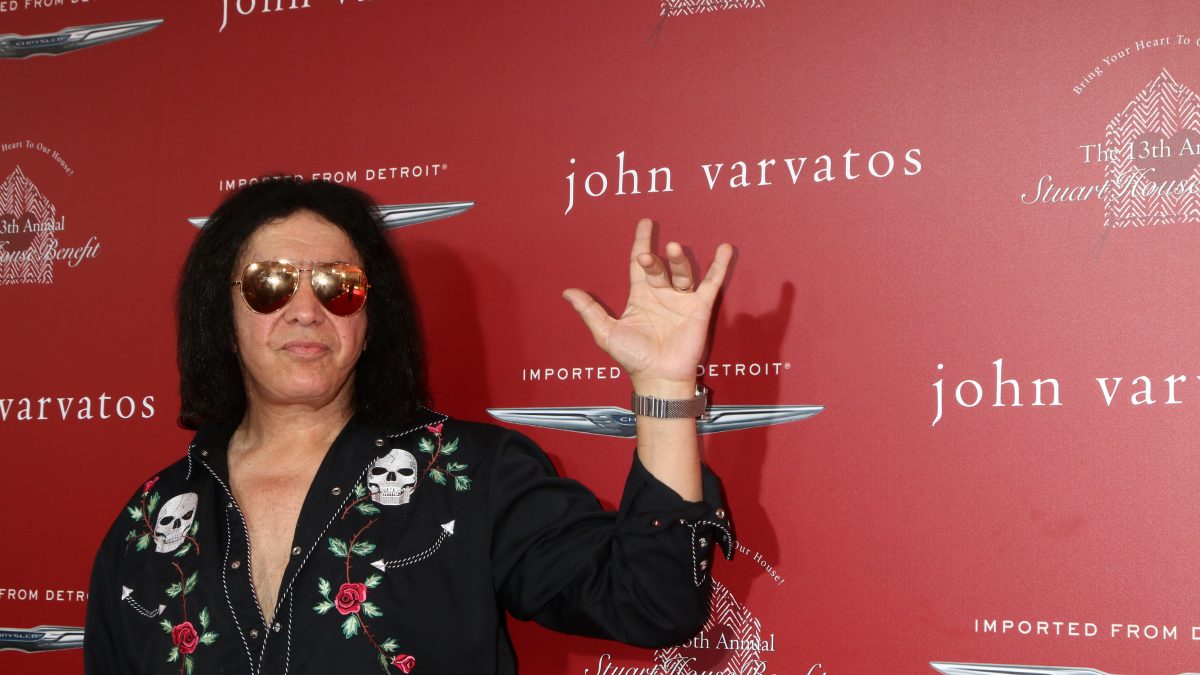
What Is the American Music Fairness Act?
A Deep Dive Into the Fight for Fair Pay — and Why Gene Simmons Showed Up to Support It
Introduction: A Turning Point for Music in America
For nearly a century, American radio has operated under a loophole that allowed broadcasters to play recorded music without paying the performers behind those recordings. While streaming platforms like Spotify, Apple Music, and satellite radio services compensate artists for every play, AM/FM radio — still one of the most widely used forms of music consumption — has remained exempt.
In 2025, that long‑standing imbalance finally reached a breaking point. Lawmakers introduced the American Music Fairness Act (AMFA), a bipartisan bill designed to bring fairness, accountability, and modern standards to the U.S. music economy. The bill aims to ensure that recording artists, session musicians, and background vocalists are paid when their music is broadcast on terrestrial radio.
But the conversation around AMFA didn’t just happen in political circles. It drew the attention of major artists, advocacy groups, and industry leaders — including one of rock’s most recognizable figures: Gene Simmons, co‑founder of KISS. His appearance at a Senate hearing in December 2025 brought national attention to the issue and highlighted just how deeply this legislation matters to artists at every level.
This article explores what the American Music Fairness Act is, why it matters, what Gene Simmons contributed to the conversation, and how the bill could reshape the future of music for artists, broadcasters, and fans alike.
Understanding the American Music Fairness Act
The American Music Fairness Act is a bipartisan proposal introduced in January 2025 in the U.S. Congress. Its purpose is simple but transformative: require AM/FM radio stations to pay royalties to performers when their music is broadcast.
Under current U.S. law, only songwriters and publishers receive royalties from terrestrial radio. Performers — the people whose voices and performances define the recordings — receive nothing. This is a stark contrast to digital platforms, where performers are compensated for every stream or play.
The AMFA seeks to correct this imbalance by establishing a public performance right for sound recordings, ensuring that artists are paid fairly across all platforms.
Why Gene Simmons Showed Up: A Rock Icon Takes the Stand
On December 9, 2025, Gene Simmons appeared before the Senate Judiciary Subcommittee on Intellectual Property to testify in support of the American Music Fairness Act. His presence wasn’t symbolic — it was strategic. Simmons has long been outspoken about artist rights, ownership, and the economics of the music industry.
During his testimony, Simmons emphasized a core truth: radio broadcasters profit enormously from music while the artists behind those recordings earn nothing. He pointed out that major radio companies generated an estimated $14 billion in advertising revenue, yet performers received zero compensation for the music that fuels those profits.
Simmons also highlighted the historical injustice. Legendary artists like Elvis Presley, Bing Crosby, and Frank Sinatra — whose recordings shaped American culture — never received a single cent from radio airplay. He argued that this system harms not only iconic performers but also the independent artists trying to build sustainable careers today.
His testimony brought star power, credibility, and urgency to the issue. It reminded lawmakers and the public that this isn’t just a policy debate — it’s a matter of fairness, respect, and economic justice for the people who create the music we love.
Why the Act Matters in 2025
The American Music Fairness Act arrives at a critical moment in the evolution of the music industry. As streaming becomes dominant and traditional radio continues to influence millions of listeners, the gap between platforms has become impossible to ignore.
Fair Compensation for Performers
For the first time, recording artists, session musicians, and background vocalists would earn royalties from radio plays. This is especially important for independent artists who rely on multiple income streams to sustain their careers.
Aligning the U.S. With Global Standards
The United States is one of the only major countries that does not require broadcasters to pay performers. This has prevented American artists from collecting royalties abroad, as many countries refuse to pay U.S. performers until the U.S. reciprocates.
Economic Justice for Working Musicians
Most musicians are not superstars. They are working professionals who depend on royalties to survive. AMFA would provide a new, reliable income source for thousands of artists who currently receive nothing from radio.
Key Provisions of the American Music Fairness Act
The AMFA includes several important components designed to modernize the industry while protecting small broadcasters:
A Public Performance Right for Sound Recordings
This establishes the legal foundation for paying performers when their music is played on AM/FM radio.
Licensing Requirements for Broadcasters
Radio stations would need to obtain licenses for the music they broadcast, just as digital platforms already do.
Royalty Rates Set by the Copyright Royalty Board
This ensures fairness, transparency, and consistency in how royalties are calculated.
Protections for Small Stations
Local broadcasters with limited revenue can pay flat annual fees ranging from $10 to $500, ensuring that community radio remains accessible and affordable.
Equal Treatment Across Platforms
The bill ensures that radio is held to the same standard as streaming and satellite services, creating a level playing field.
Current Status of the AMFA (as of December 2025)
The bill was introduced on January 31, 2025, and referred to the House Judiciary Committee. It has gained support from major advocacy groups, including:
- The musicFIRST Coalition
- SoundExchange
- Artist rights organizations
It also has bipartisan backing from lawmakers such as:
- Senator Marsha Blackburn (R‑TN)
- Senator Alex Padilla (D‑CA)
- Senator Thom Tillis (R‑NC)
- Senator Cory Booker (D‑NJ)
Opposition primarily comes from large radio conglomerates, who argue that the bill could impose financial burdens on stations and reduce local programming.
A Moment of Action in the Fight for Fair Pay
More than 300 artists across the industry have united to urge Congress to ensure musicians are finally compensated for AM/FM radio airplay—a revenue stream that has historically excluded the very creators who make it possible. Their open letter calls for fairness, transparency, and long‑overdue reform.
Read the full letter here.
If you believe artists deserve to be paid for the work that fuels the broadcast industry, now is the time to speak up. We encourage you to reach out to your congressional representatives and share your support for the American Music Fairness Act. Your voice adds weight to a growing movement demanding that creators receive the compensation they’ve earned.

How the AMFA Impacts Artists
More Royalties, More Stability
Artists would finally earn money from both digital and terrestrial plays, creating a more stable and predictable income stream.
Recognition of Artistic Value
Paying performers acknowledges the cultural and economic value of their work. It affirms that artists deserve compensation for the recordings that shape our lives.
International Reciprocity
Once the U.S. recognizes performance rights, American artists will be able to collect royalties from foreign broadcasters — something they cannot do today.
How the AMFA Impacts Broadcasters
Cost Concerns for Large Radio Companies
Major broadcasters worry about increased expenses, but these concerns must be balanced against decades of unpaid artist labor.
Protections for Small Stations
The bill includes flat‑fee options to ensure that community and local stations are not harmed.
A Fair Competitive Landscape
By requiring radio to pay performers, the AMFA ensures that all platforms — streaming, satellite, and terrestrial — operate under similar rules.
Voices in Support of the AMFA
Industry leaders and artist advocates have spoken out strongly in favor of the bill.
Michael Huppe, CEO of SoundExchange, stated:
“Radio conglomerates make billions while refusing to pay the artists whose songs they play. This unfair double standard can only be closed by Congress.”
Mark Pryor, co‑chair of the musicFIRST Coalition, added:
“It’s time for Congress to stand up for artists, not big radio companies.”
And Gene Simmons delivered one of the most memorable statements of the hearing:
“Radio stations last year made something like $14 billion. Artists who you heard on the radio stations made zero… and that is inexcusable.”
Challenges Ahead
Despite growing support, the AMFA faces several obstacles:
Powerful Lobbying From Radio Companies
Broadcasters have significant influence and are pushing back hard against the bill.
A Complex Legislative Process
The bill must pass both chambers of Congress and receive presidential approval.
Public Awareness
Many fans are unaware of the inequity. Educating the public is essential to building momentum.
Conclusion: A Chance to Rewrite the Future of Music
The American Music Fairness Act of 2025 represents a historic opportunity to correct a long‑standing injustice in the U.S. music industry. By requiring AM/FM radio to pay royalties to performers, the bill aligns America with global standards, supports working musicians, and strengthens the cultural ecosystem.
Gene Simmons’ testimony brought renewed attention to the issue, reminding the nation that fairness in music is not just a policy debate — it’s a moral imperative. His voice amplified the experiences of countless independent artists who rely on royalties to survive.
For musicians, the AMFA is about justice.
For fans, it’s about supporting the creators they love.
For the United States, it’s about finally leading with integrity in the world of music.